Victorian Style Decor Ideas
Victorian Style Decor is inspired by the 19th-century British era, known for its grandeur, elegance, and love for ornamentation. This home decor style reflects a time when houses were artistic and individualized, with every room telling a story through rich colors, layered textures, and intricate furnishings. It remains timeless for those who appreciate the past, luxury, and an elegant touch in their home decor.
The Victorian era was the era of affluence, handiwork, and a combination of ease and luxury. Every item was functional; every element stems out of fine materials and dense drapes to black wood furniture and ornate designs. The contemporary house owners can easily customize this appearance by blending old attractive appearance with functionality. It all comes down to the layering, color, texture, and detail to make it a warm and welcoming space that is both historic and home-like.
The Ultimate Victorian Colour Palette
Victorian decor commences with the color. The period preferred dark and rich colors like emerald green, burgundy, navy blue and royal gold. The color schemes were made to be warm and sophisticated making rooms look like classy retreats. Walls were usually painted in somber colors or had wallpapers which were floral or damask which reflected candlelight well which brought out depth and drama.
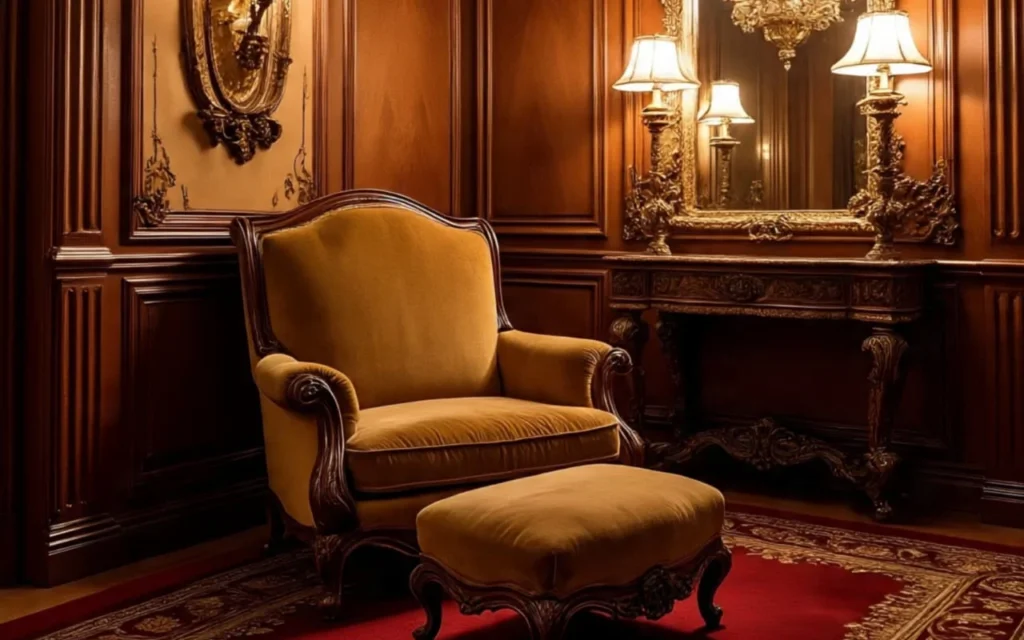
In order to introduce this palette into a modern house, combine more serious colors with lighter ones, such as cream or ivory. This aids in the moderation of richness and keeping the visual interest. Metallic touches – picture frames of gold or brass fittings imbue moderate luxury. The Victorian color palette must be emotional and intimate that makes us remember the period when the interiors were personal and most beautiful in their expression.
Furniture That Defines Victorian Luxury
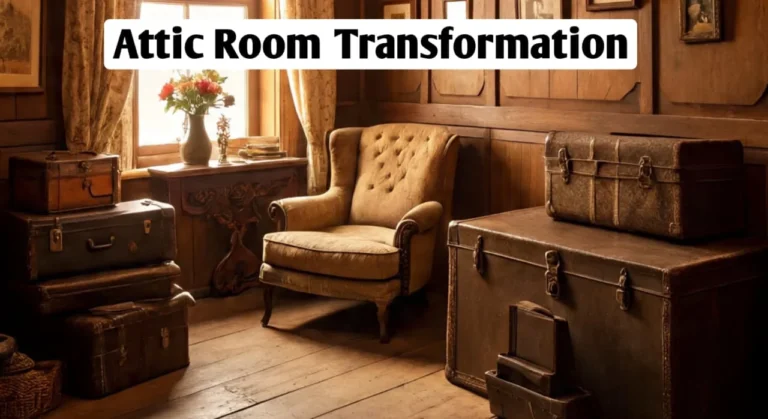
The style of Victorian furniture is known to be magnificent and elaborate. Historically, furniture was crafted as pieces of wood (most commonly of mahogany, rosewood, or walnut) with carved legs and curved silhouettes. Well adorned Victorian houses had upholstered chairs with tufted backs, claw foot tables, and velvet-covered sofas that were a symbol of taste and wealth.
The introduction of this type of furniture in the modern world refers to the choice of statement furniture that is classy. An old writing table or a wooden armchair can easily take any room up. Instead of making the room heavy, match the ornate furniture with less heavy accessories or plain backgrounds. It is not aimed to fill the room with pieces but to make every single piece shine and keep the charm and integrity of Victorian craftsmanship.
Fabrics, Drapes, and Textures
The choice of textile is a key to a Victorian appearance. Drapes and upholstery were customarily made of heavy fabrics, including velvet, brocade and damask. These materials gave luxury and also kept the homes warm against cold drafts. Tassels, fringing and layered curtains were also used to bring out the theatrical effect to the windows making them appear significant and stylish.
Contemporary adaptations are more equal and as charming. Select heavy in dark colors on such pieces of statement items as cushions or curtains. The lightness of the materials, like lace or sheer fabric, will bring some lightness and avoid the feeling of a too dark decor. The texture, the pattern and the layering give that typical Victorian richness that is at once graceful and comfortable.
Lighting and Chandeliers
Lighting in the Victorian era was more about the mood rather than practicality. The houses were lit up using candlelight, oil lamps, and primitive gas lamps and gave a soft, golden light. Central statement pieces, which characterized refinery and luxurious living and dining rooms, were chandeliers, usually crafted of crystal or brass.
In order to replicate this romantic atmosphere in the modern environment, use warm-colored lighting and multi-layered lighting. Wall sconces or table lamps can be used in combination with pair chandeliers to create a true effect. Seek fancy designs that have glass colors or metal colors. It is aimed at filling your room with warm and welcoming light that does not take over your furniture and decor but enhances it.
Walls, Art, and Decorative Accents
The walls were seldom bare and Victorian ones narrated stories based on paintings and designs. Every possible space was covered with portraits, botanical prints, and landscape paintings. Boastful frames, gilded mirrors, ornamental molding, were all the rave of the day. Flat ceilings were decorated with motifs painted in medallions or other forms making rooms to be displaying art.
It is something you can introduce into your house by having curated wall displays. Blend antique influence with mirrors to get light and increase space. Wooden or gilded frames preserve the traditional quality and the contemporary art supplies to it a contemporary equilibrium. The Victorian decoration is all about detail so even such minor details as the crown molding or the wainscoting can contribute greatly to the ambiance.
Floors and Rugs with Character
Pattern and durability were the points of focus in Victorian flooring. Dark parquet patterns in hardwood floors were also a sign of luxury. Massive area carpets, particularly Persian or oriental, made otherwise staid rooms look comfortable and bright. These carpets were used as corridors in connecting all the colours and textures used in the house.
To modernize this appearance, add wooden floors with very patterned carpets on top of them, to mix the wooden and the patterned. Select deep reds, blues, or golds in the rugs with a reminder of Victorian colors. In case your flooring is up-to-date, a statement rug can give your floor the olden-days charm. Wood and textile combination not only make a space softer but also affirms the plethora of richness that was linked to Victorian furniture.
Accessories and Finishing Touches
The accessories played a critical role in their Victorian houses where the art of the collections and display of treasures was a discipline. There were mantels and side tables with porcelain figurines, candle holders, framed photographs, and fresh-flower vases. Every product was selected selectively according to individual experiences or culture.
In order to capture this point in our modern world, sift instead of stuff. Decorative trays, old clocks or fancy mirrors are used as a point of focus. Layering of accessories will also be used to create the personality but maintain some form of balance to ensure that the room is not cluttered. Even several strategically placed antiques or imitations will immediately bring your home to the beauty of the Victorian era.
Modern Touches with Victorian Charm
Victorian decor does not necessarily mean that one has to live in a museum. It is a matter of integration of the old and the new. A collection of tufted velvet sofa with smooth illumination, or patterned wallpaper and a plain artwork. Such contrasts make it clear that the Victorian craftsmanship is beautiful without losing the comfort of the modern world.
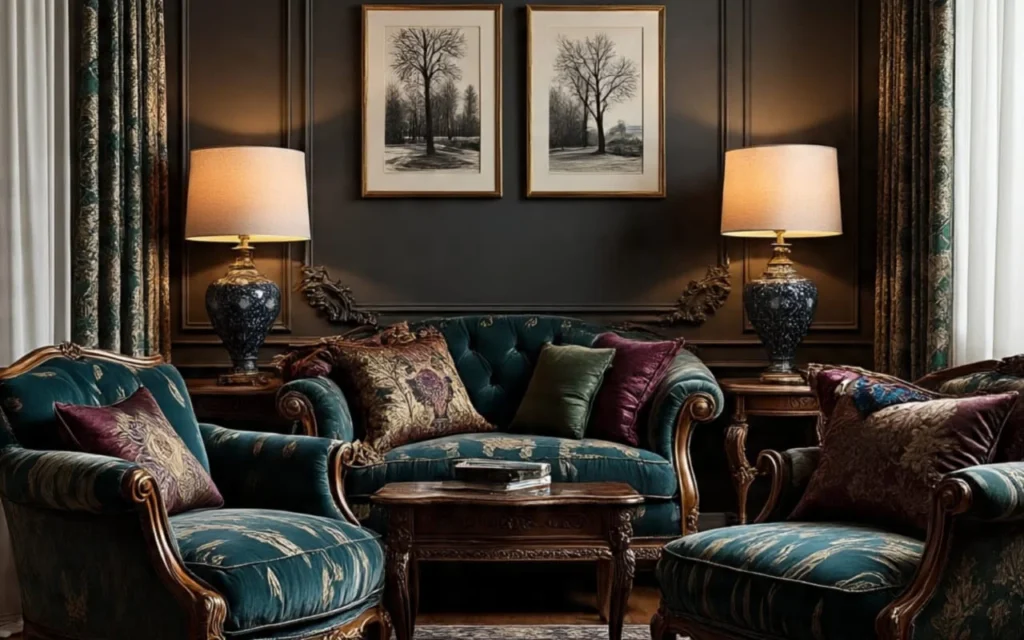
Pay attention to the fact that you should make the place habitable. Turn the period style into a modern one, or it can be introduced with modern features, such as sleek shelves or neutral light bulbs. The goal is to allow the influence of the Victorian to pass through the color, texture and form without clutter on the eye. When this combination of the old and new is done properly, it provides a balanced and sophisticated mood that is historical and new at the same time.
FAQs
Final Thoughts
One of the most beautiful and expressive themes of interior design is still the Victorian style decor. It glorifies artisanship, sumptuousness, and uniqueness and provides an unlimited potential of mixing the past with the present. Every piece of decoration, such as carved pieces of furniture or patterned wall paper, introduces an additional touch of character and so design spaces that represent history without end.
You can take the look all the way or add a few small details but either way, Victorian decor welcomes coziness and opulence to the contemporary lifestyle. It is a reminder that the best way to be elegant is in paying attention to details, where we find the fine line between comfort and art. The balance of old-world and modern is just the right balance and you are able to create a home that is both classic and alive.