The Open-Concept Living Room Decor
The open-concept living room design trend has changed the way individuals design and experience homes. In this style, extra walls are avoided to create smooth movement between the living, dining, and cooking space. This approach enhances transparency, natural light, and communalism while maintaining a sophisticated aesthetic. With thoughtful home decor choices, an open-concept design can help even small houses appear bigger, brighter, and more welcoming.
An open-concept living is a contemporary interior design symbol that has become the hallmark of contemporary comfort and functionality. It enables the house owners to entertain their guests, cook and rest, all in a single common area. Nevertheless, a decoration of such space needs careful planning, balance, and creativity in order to create the harmony of the appearance. Furniture arrangement, color harmony, and the whole details are important in creating the ideal open-conceptual environment.
Understanding the Open-Concept Layout
An open-concept design is the one which combines various areas of the house into one, connected area. The kitchen, dining and living areas used to be separated by walls but currently these walls are being erased in order to enhance interaction. It is the best strategy to suit the contemporary family that appreciates communication and connection when carrying out their daily chores. This design is also conducive to the flow of air and the perception of space.
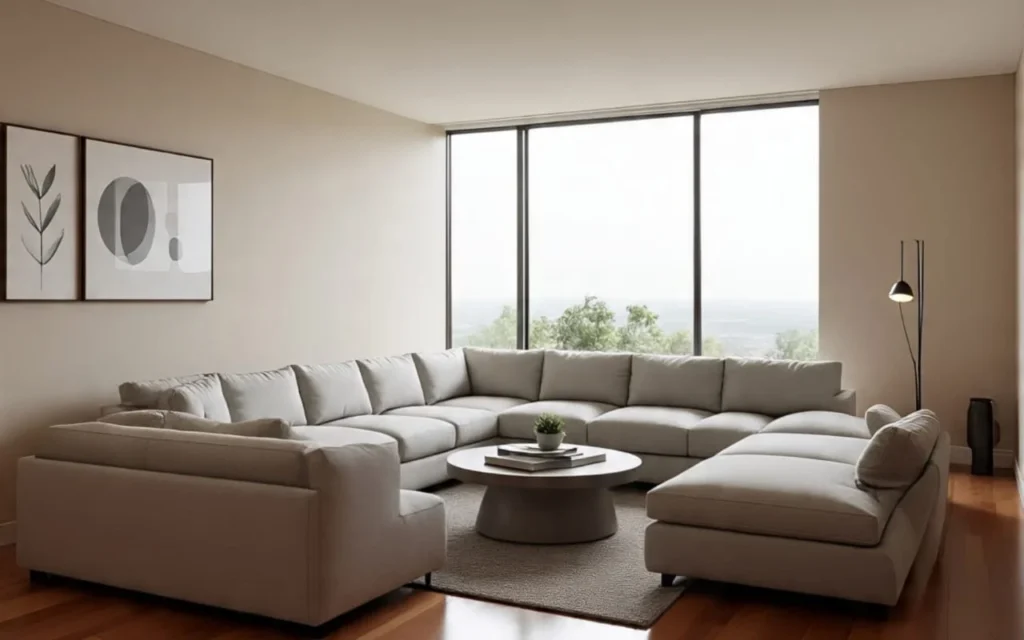
Nevertheless, it does not only take the elimination of walls to design an open-concept space. It requires a tradeoff between functionality and beauty. Each part must have its purpose and also merges with the other parts of the layout. The ideal open-concept living room design depends on delimited boundaries which can be in terms of furniture, carpeting or lighting as opposed to concrete walls.
Creating a Cohesive Color Palette
The best open-concept living room interior design is based upon color harmony. As the area is divided into several zones, the color palette should be able to visualize the connection between them. Neutral colors such as beige, white, and grey make the flow seamless, whereas the accent colors, such as navy, sage green, or terracotta, give it a depth. The beauty is to apply different shades of the same palette so as to make it not the same.
An example is to paint the living room in a neutral and darker shade in the dining area so as to draw a line between the two areas. Cushions, curtains, and wall art have complementary colors that assist in bringing the whole space together. The same color scheme not only helps add beauty, but also helps promote a relaxing and serene atmosphere.
Defining Spaces with Furniture Placement
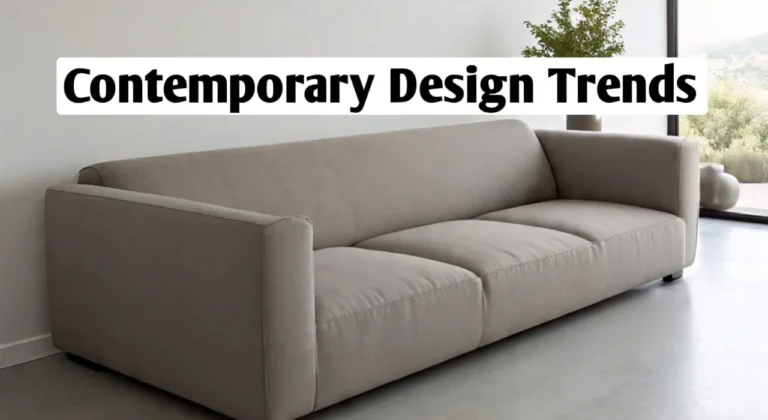
Furniture layout is very important in the open concept design. In the absence of walls, furniture is the primary aspect that creates divisions and continuity. The sitting room can be furnished with a sectional sofa, and the food-eating area is obviously formed by a table. The strategic positioning makes each space in the room different and linked.
It is necessary to balance- not to make one of the parts too crowded and leave the other part empty. Separate areas with use of rugs, lighting as well as the design of ceilings. This style is able to keep the order and the open and airy atmosphere. Appropriate zoning of furniture simplifies the movement process and does not make the room look chaotic and cluttered.
Using Lighting to Enhance the Atmosphere
The decor of open concept living rooms changes with lighting. Layered lighting involves the use of ambient, task and accent lighting in creating depth and mood in various locations. The pendant lights used above the dining table, the recessed lights in the live area and the lights used under the cabinets in the kitchen complement each other very well. This diversity will bring functionality and increase the design aesthetics.
The light of nature is also significant. The space may be filled with sunlight through large windows, glass doors or skylights which may make it look bigger and friendly. Sheer curtains or blinds help in regulating the brightness and ensuring privacy. Adjustment of lights allows creating spaces and maintaining a friendly and united atmosphere during the day.
Incorporating Texture and Material Variety
The combination of textures and materials gives a personality to an open-concept interior. Although there is a constant theme, mixing some wood, metal, glass, and fabric can be used to achieve a rich sensory experience. A wooden coffee table will match with smooth metal dining light fitting and a soft fabric sofa will match the hard surfaces surrounding it. This combination increases the coziness and refinement.
Visual zoning is also achieved by textures. Each section is slightly determined by a plush rug in the living area, marble counters in the kitchen, and the matte finishes in the dining area. The variety of the materials used makes the decor sound and does not turn the space into a repetitious environment. Creating balance versus consistency to attain the contemporary, but comfortable space.
Selecting Multi-Functional Furniture
Functionality is important as style in open-concept houses. Multi-functional furniture products are useful in saving space and making the space look clean. A storage ottoman can be used as a storage facility and an extendable dining table or modular sofa will not crowd the space. These utilitarian decisions allow the space to be used during everyday life and also special events.
Select furniture that fits your design theme- modern, rustic or minimalist. Spaces that have straight lines and neutral colors mix inter-zonal well. The smart storage should be incorporated to keep the room free of clutter to guarantee the continuity of the visual flow. The keys to successful open concept design of a living room are functionality and design harmony.
Adding Personal Touches and Accents
Open-concept layout does not imply that all the areas should appear the same way. The shared space is made personal and has individual touches and decor accents. Make the interior feel like home with use of statement art pieces, family photos or travel souvenirs. The decorative cushions, throws, and indoor plants can also renew the design with ease.
Nevertheless, keep the visual harmony by using the same colors or the same material in various spaces. As an example, the continuity is provided by the metallic frames or wooden accents that are applied in the entire room. The idea is to make the decor more personal and retain the unifying effect of the open plan. Fact is creativity and consistency to have an attractive house.
Balancing Minimalism with Comfort
The open-concept living room decor is often based on the concept of minimalism and its focus on living space and simplicity. An organised space increases the visual openness and the neutral colour increases natural light. This is represented in streamlined furnishings, concealed storage, and unadulterated surfaces. Minimalism must never come at the expense of comfort though.
To create equilibrium between them, add soft textures, and warm colors that would add coziness but will not overpower the space. The space may be made more welcoming with a comfy couch, thick carpets, and a light set up. It is important to be spacious and at the same time livable. A minimalistic and comfortable open-concept room is the kind of environment of modern home decor.
Integrating Technology Seamlessly
The contemporary open-concept houses tend to be based on smart technology to make them easier and more comfortable. Smart versions offer advanced features to enhance functionality and design, such as built-in lights, voice-activated temperature changes and more. Covering the wires and devices inside the walls or furniture will guarantee the clean and uncluttered appearance that will fit the open structure well.
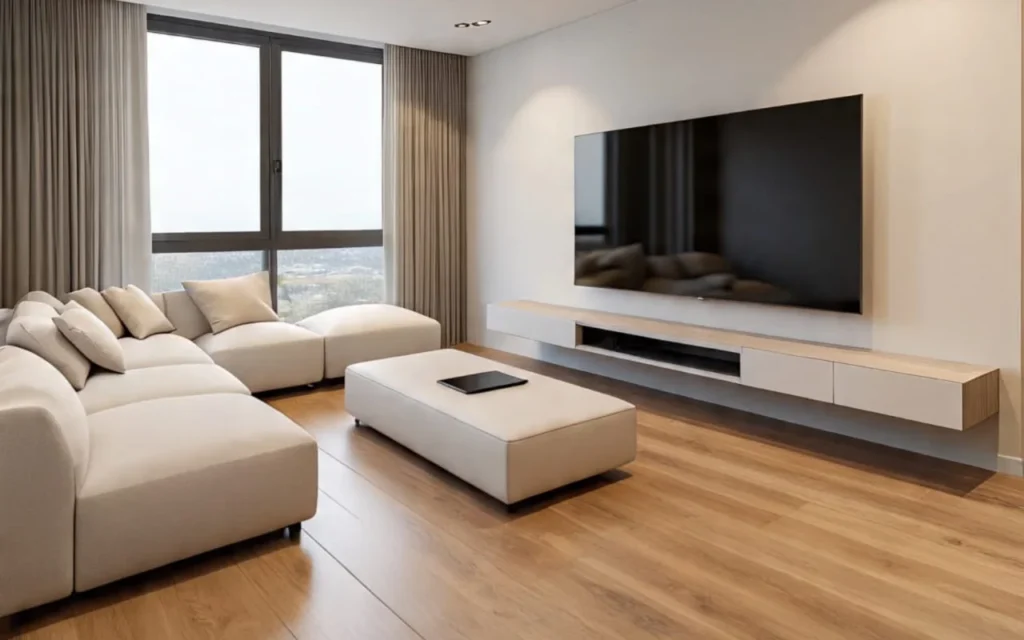
You can also add a central entertainment where it would serve the living and dining areas. The installation of a TV or sound can be done in a strategic position that can be conveniently accessed without distracting the view. When carefully integrated, technology enhances the smooth and space-age look of open-plan interiors. It is all about intelligent living with classy design.
FAQs
Final Thoughts
The art of living rooms that are open should be balanced between openness and structure. All of the elements, such as color schemes and light, textures and furniture, have to blend to make a unified appearance. This design style can turn your house into a light and energy-filled modern and multifunctional haven when properly implemented.
An open-concept space is beautiful in that it is flexible and inclusive. It unites the people, makes it comfortable and has unlimited creative opportunities. It is possible to have that ideal mix of spaciousness and warmth in your house with a lot of planning and attention to detail. It is not only a fad, but a way of life to live in harmony with modernity.