Industrial Home Decor Ideas
The industrial home decor is inspired by old factories, warehouses, and urban lofts, combined with a modern look and style. It is typified by exposed frameworks consisting of brick walls, steel structures, and concrete surfaces, which glorify honesty in design. This style doesn’t aim to hide imperfections; instead, it emphasizes them, making roughness beautiful. These Home Decor Ideas are bold, effortless, and effortlessly cool, perfect for creating a unique and stylish living space.
The interiors of industries are hard and warm. Characterised by open spaces, low decoration, and bold building designs, the appearance is supplemented by wood decorations and low-key lighting which makes it comfortable. It is about developing the space that is not complete though elegant, contemporary and vintage. When the correct mix of texture, tone, and contrast are made, industrial decor can attain eternal elegance with its urban character and reality.
Key Color Palette
The palette of the industry is based on the neutral, but with a certain masculine touch of the atmosphere. Gray, black, brown, off-white color prevails, which characterizes the factory and warehouse materials. These shades form a unified background coupled with emphasizing crude finishes. Warm tones such as rust, tan leather or brass are added so as to avoid coldness.
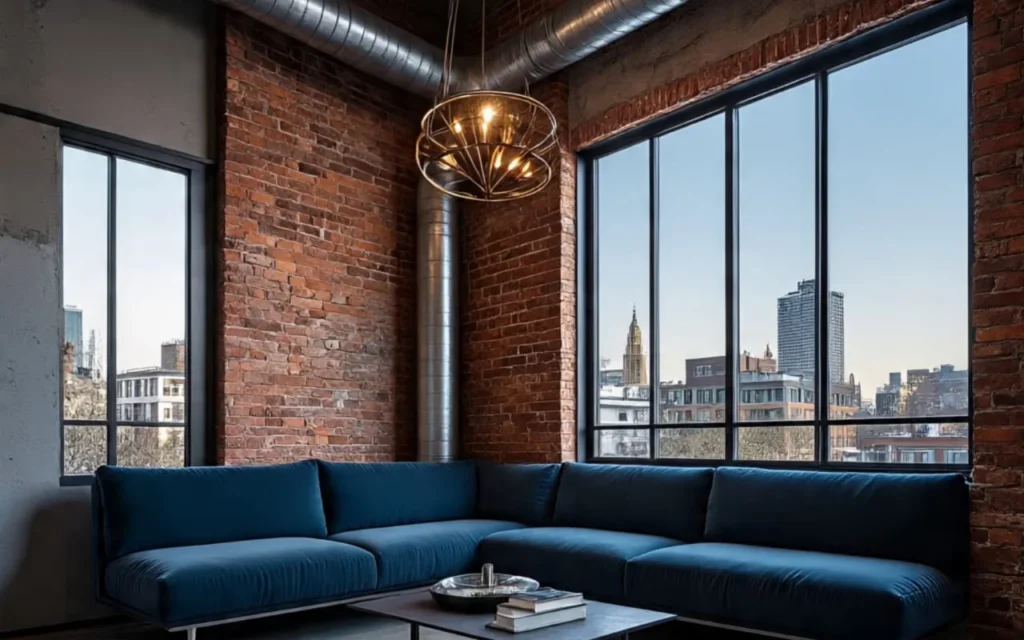
Natural materials like wood and stone are well suited to metals like steel, copper, and iron. Muted green or navy pop can be used to add some vibrant effect. It is all about harmony – all the colors must enhance the industrial structure. The decoration is composed of neutral but rich tones, which add texture to the design, making it look gracefully gritty, which is characteristic of the industrial appeal.
Materials and Finishes
Industrial decor revolves around raw and sturdier materials. The visual interest of the exterior is created by exposed brick, concrete, steel, and reclaimed wood which make a contrast and texture. The industrial space is not complete; it is represented by concrete walls, metal pipes, and rotten timber. The imperfection itself is included in the design – it is the sign of genuineness and not the flaw.
The ruggedness is balanced with smooth surfaces: glass, leather, and flat metals are used to bring refinement. Also use distressed finishes instead of shiny ones to maintain character. The industrial design prospers on contrasting, the rough and the smooth, the old and the new. Every surface must narrate an image of artisanship and power bringing functionality and subtle economy together.
Furniture and Layout
The industrial furniture is focused on functionality, stability, and simplicity. They are commonly crafted out of metal and reclaimed wood, and are sturdily constructed and featuring clean lines. Find open shelving units, factory style tables, and old vintage leather sofas which give it a warm and authentic feel. Industrial furniture does not necessarily have to be a match-up, combine textures and finishes to create a curated, organic appearance.
The arrangement must be conducive to freedom and movement as one would in a warehouse. None of the clutter allows the furniture to breathe in the high ceiling and large floor plans. Big furniture such as working tables or shared dining tables can be used as the focus. Utilitarian beauty is the beauty of industrial design, the comfortable, useful, and easily chic furniture.
Lighting and Ambience
Lighting is a characteristic feature of industrial interiors. Lamping fixtures, exposed lights, and metal shades are used to create the tone. Edison lamps bring an aged effect, whereas black finish or brass finish brings about an industrial quality. The use of overhead track lights or hanging lamps is ideal when using the open design layout, where the structure, and depth are also highlighted.
Light stratification discourages austerity. Use floor lighting, sconces and accent lighting in addition to ceiling lighting to make it warm. Lighting in industry frequently serves as a form of art – too large fixtures, cage lamps or re-purposed factory lighting make a statement. The intention is to strike the right balance between brightness and intimacy, to bring out the textures and still provide a lived-in, domestic quality.
Walls and Architectural Details
Industrial design is flourishing on structural sincerity. Expose brick walls to leave the texture and natural colour on the surface. When there are no bricks, it is possible to apply faux panels or some textured wallpaper to achieve the effect. The industrial ruggedness is also well embodied in concrete or plaster finishes. Windows or partitions are framed with black metal and bring architectural power and urban style.
More visible ductwork, beams or pipes, instead of hiding them. These uncivilized facts narrate the tale of industrial ancestry. To be stylish today, to balance on lines combine rough surfaces on pairs of furniture with clean lines or a polished interior. It is all about contrast, the combination of architectural roughness and modern sleekness that merge to produce eternal aesthetics.
Flooring Choices
Industrial flooring ought to be convenient, strong and aesthetically based. This style is best suited with polished concrete, reclaimed wood and huge stone tiles. Concrete floors are light reflective and the raw look whereas wooden floors add warmth and organic softness. This is a mix that brings visual balance between the modern edge and the comfort of a home.
The appearance is softened with layering of the rugs. Prefer neutral or geometrical designs in dull colors to mark spaces without overwhelming them. Jute or wool textured carpets are comfortable to walk on. The flooring of the industrial setting must have a sense of permanence and the natural feel, the flooring materials that mature with time and acquire character instead of losing it.
Textures and Soft Elements
In order to balance out the hardness of industry, add some softness layers. Fabrics such as leather, linen and wool are very comfortable and tactile. Neutral-colored cushions, throws and curtains will be used, giving warmth and simplicity at the same time. Extremely fancy fabrics should be avoided – use solid or light patterns that can blend in with rough construction materials such as brick and steel.
The use of wood and leather creates a warm atmosphere in cold areas and metal details sustain the industrial look. The layering of the texture does not allow boredom, achieving the feeling of habitation without rubbish. A metal light and raw concrete wall, or a wool carpet and a leather sofa right next to it, epitomize industrial contrast well, hard but comfortable, hard but relaxing.
Greenery and Natural Balance
The touches of nature are beneficial to industrial interiors, making them less masculine. Plant the space with tough plants such as snake plants, succulents or palms in order to add life and color. The greenery is a reminder of the contrast with raw materials, which are fresh and balance the image in a visual sense. Industrial consistency should be ensured using metal or concrete planters.
The atmosphere is further improved with natural light. Brightness is invited by large windows and little draperies and reflective surfaces. Wood and vegetation are used to break the monotony which is always guaranteed in terms of warmth within structural boldness. The industrial areas prosper under this contrast: steel and sun, concrete and plants, it is proven that even modern urban settings can be both mighty and calm.
Decor and Accessories
Minimalism is the aesthetic of industry, but not sterility. Be selective in the choices made. Black and white photography on the walls, metal sculptures or old maps give it an extra depth. The recycled objects such as gears, clocks or mechanical fixtures contribute to the industrial atmosphere without being too artificial. Flexibility: Be practical but stylish enough so that decor will be purposeful and pure.
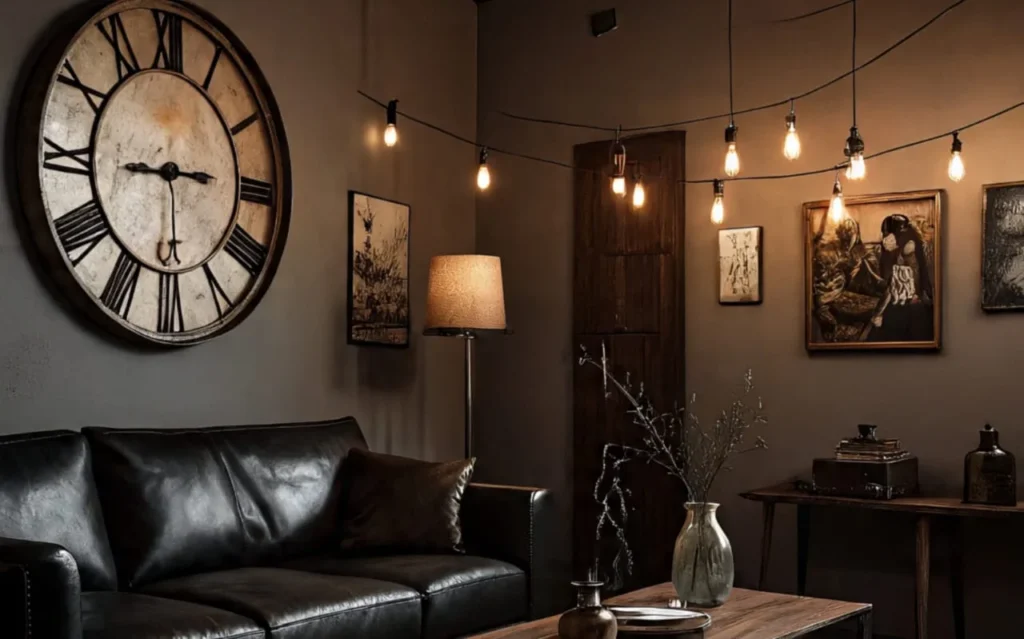
Exhibit books, ceramics or plants using open shelves in simple setups. The conversation starters are vintage signage, typewriters or tools used in factories. Less is more – pay attention to statement items, which reflect the character of the building. Industrial decor has the beauty of being restrained, with each piece having a curated and not decorative character.
FAQs
Final Thoughts
Industrial domestic decor boasts of power, simplicity, and originality. It changes the utilitarian and coarse spaces into elegant and modern houses with features and personality. It is a beautiful object which is honest in its design, with the use of neutral colors, exposed materials and utilitarianism. Industrial interiors make us aware that grace does not require a polish, it is rather in the touch, the proportion, and the considered imperfection.
The secret of this style is contrast – rawness mixed with comfort, metal mixed with wood, minimalism mixed with coziness. In a loft or an apartment, the industrial design narrates a history of handiwork, strength, and uniqueness. It is daring and friendly, city but classic, the ideal replica of the present-day civilization with undertones of the past and power.