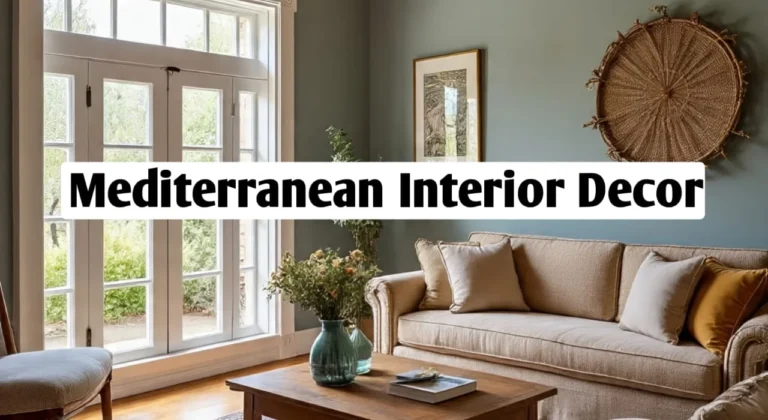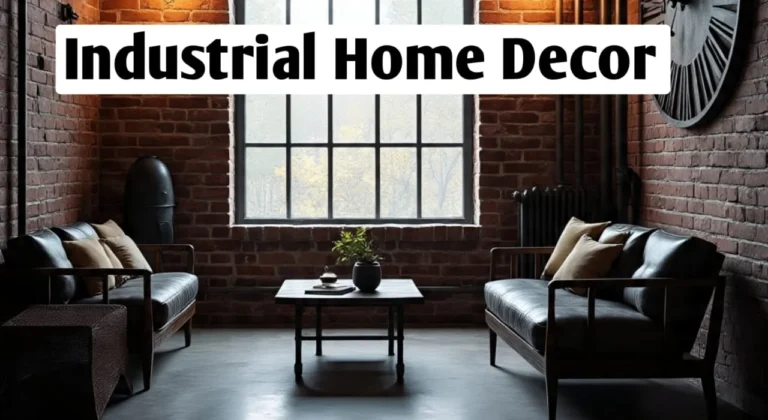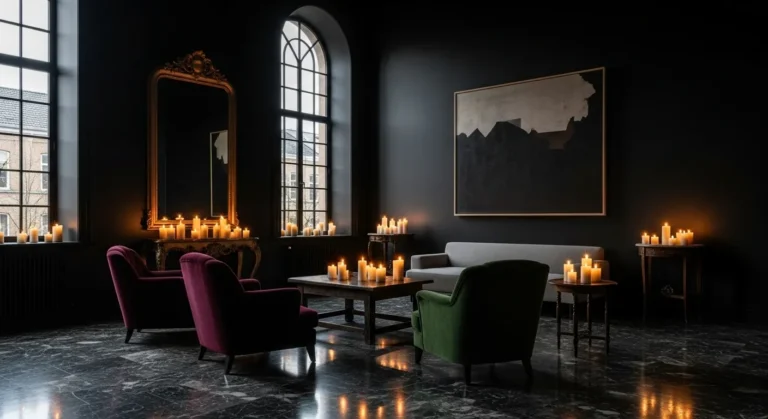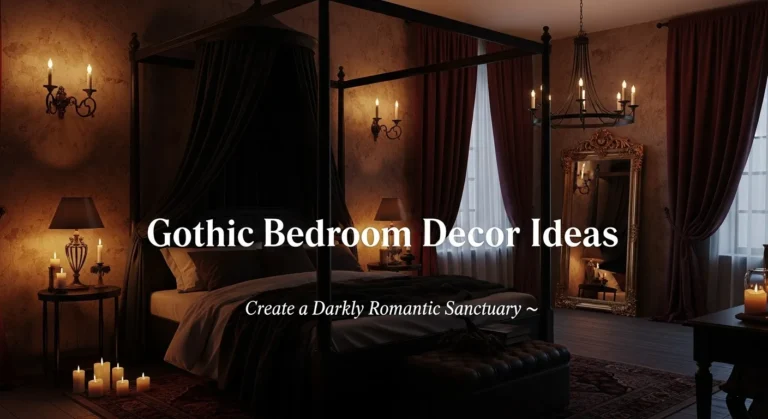
Contemporary Design Trends
The modern interior design is a manifestation of the present day a dynamic approach that evolves with new lifestyles and technology. Unlike fixed-era aesthetics, it embraces change and blends minimalism, comfort, and innovation seamlessly. Focused on open spaces, clean lines, and the harmony between functionality and expression, this style reflects the essence of Contemporary Design Trends. Modern home decor feels fresh, elegant, and timeless simple yet deeply meaningful.
The modern decor is based on the nuance and contrast. Muted palettes are combined with heavy accents, and organic finishes blend with modern ones. Technology is a part and parcel of day-to-day life. What is created is the sense of an airy, functional and aesthetically well-balanced space, a flawless definition of modern comfort, a sense of preservation and a sense of innovation within one unitary design philosophy.
Color Palette and Mood
The modern palette of colors is based on the use of neutrals and some colors, such as white, gray, beige, and black, that bring balance and style to it. These tones form relaxed, open space in which it is best to add textures and accents. To give it a touch of personality, designers usually bring out strong colours, that is, deep blue, emerald green, mustard, or burnt orange, either with art or statement furniture.
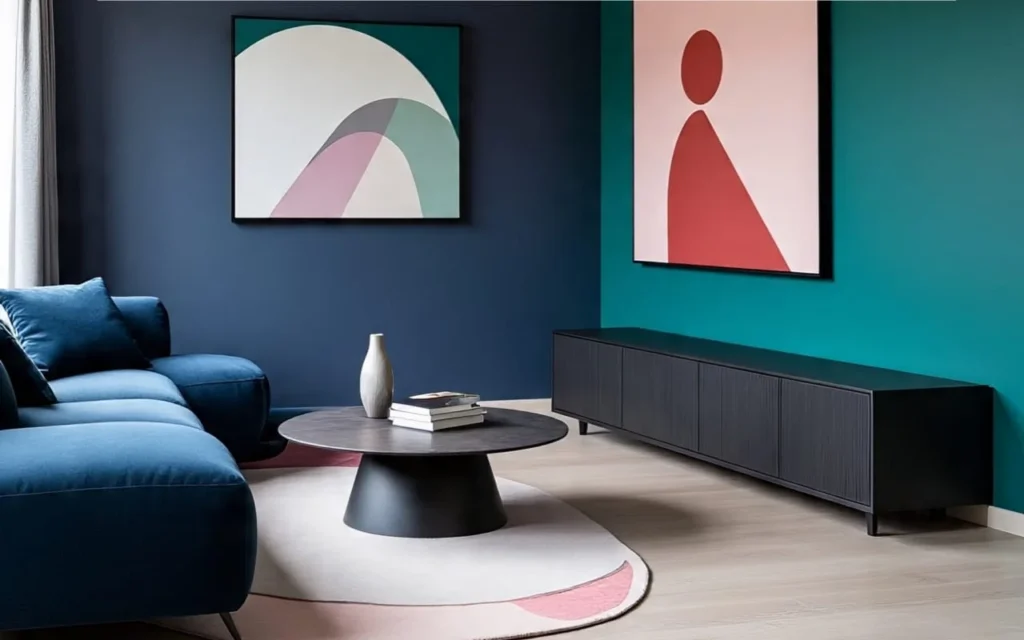
Simple and deep schemes are also in fashion and are achieved with the help of monochromatic schemes. The point is to be in harmony instead of saturation. Natural light complements with the fine color variations, and metallic or furniture accents make it warmer. The modern interiors, with its minimal, but expressive palette make the place vibrant and smooth, without confusing the senses.
Furniture and Layout
Modern furniture is focused on smooth lines, clean edges, and body language. There are dominance of clean and geometric lines with softness and balance provided by curved silhouettes. There is the use of materials such as glass, chrome, leather, and light-colored wood which demonstrate elements of innovation and comfort at the same time. Each item is selectively picked and will be functional but not necessary to have a style.
Modern spaces are characterized by open spaces. Furniture arrangement must encourage movement and roominess – not clutter and crowding. Multi-functional designs and modular designs can meet changing lifestyles. There is simplicity but detail, a hint of stitch, floating furniture, or thin metal frames is refined. The effect is the creation of a modern, orderly and easily habitable environment.
Materials and Finishes
Modern design exists on the basis of material opposition and sophistication. The combination of the matte and glossy is not in conflict, it can be polished marble and matte black steel, or glass and a textured wood. The structures are made of such materials as concrete, metal, and natural stone to give it structure and visual appeal. The aspect of sustainability gains momentum, and recycled and greener materials are becoming popular.
Industrial aspects are balanced out by soft finishes such as fabric upholstery and woven fabric. There is a contrast between smooth and rough surfaces which makes it rich. Little ornamentation gives materials an opportunity to shine in their pure form. Each finish has a visual depth effect, which makes the spaces look like luxurious but low-key spaces, which is also typical of modern design.
Lighting and Ambience
The use of lighting in modern interiors is for decorative purposes as well as practical functions. Natural light is glorified – big windows, glass walls, and skylights increase the transparency. Artificial lights employ layers to set boundaries: recessed lights are used to create subtlety, pendants yield concentration and floor lamps provide warmth. Smart lighting and LED strips make things more flexible and controllable in terms of ambiance.
The sculptural fixtures serve as works of art on their own, minimalistic but effective. Geometric or organic metal, glass or fabric shades are a source of modern sophistication. Incidents should not be hard-and-bright, but should be soft and uniform. Contemporary spaces are governed by lighting, which is all about ambiance, a sense of drama, comfort and visual rhythm.
Textures and Patterns
In the modern world, texture plays an essential role because it is a way to avoid sterile minimalism. The contrasting surfaces are combined to form visual interest. Consider polished concrete floors and soft area rugs, or linen chairs and glossy cabinets. These oppositions add richness and coziness without interfering with the simplicity. Delicate patterns such as stripes, chevron and abstract geometry provide movement without being too tense.
Impressive colors have the advantage of textured fabrics such as velvet cushions, wooden paneling and woven decor. Light play is brought in by metal accents or by frosted glass elements. Patterns are to be kept to the bare minimum and are meant to aid visual flow. There is the tactile variety of materials that infuses it with life, as clean lines are turned into a multidimensional, comfortable experience.
Art and Accents
The modern design is the spirit of art that adds love and soul to sterile spaces. Statement pieces include abstract paintings, large-sized photography and sculptural decor. Minimalistic walls are perfectly matched by large-scale artworks, and colorful artworks are an addition, not overcrowding the walls. Individuality in the formal setting can be presented in frames or wall murals.
The accents must be kept elegant, sharp metal, glass vases, or ceramic organic-shaped items provide the polish. Less is more: a single statement object will have more power than a bunch of minor accessories. Curation is the objective rather than collection. In modern design, art and accents are well selected so as to enhance calmness, imagination and harmony.
Sustainability and Eco-Luxury
Living in the present means being sustainable and the present day interiors depict that change. Green materials such as bamboo, cork, reclaimed wood and recycled metal have become the norms. The painting of the environment is made more conscious with low-VOC paints, light-efficient lighting, and smart thermostats. These decisions make design more luxurious but responsible, beautiful and not extravagant.
Plants in the house enhance the green theme and cleanse the air besides providing organic texture. Natural ventilation systems and water saving fixtures combine style and environment consciousness. Sustainability is not a fashion about being beautiful but a way of life. Through the presence of conscious materials and technology, modern design turns out to be an expression of conscious modernity that appreciates the planet.
Open Spaces and Architectural Features
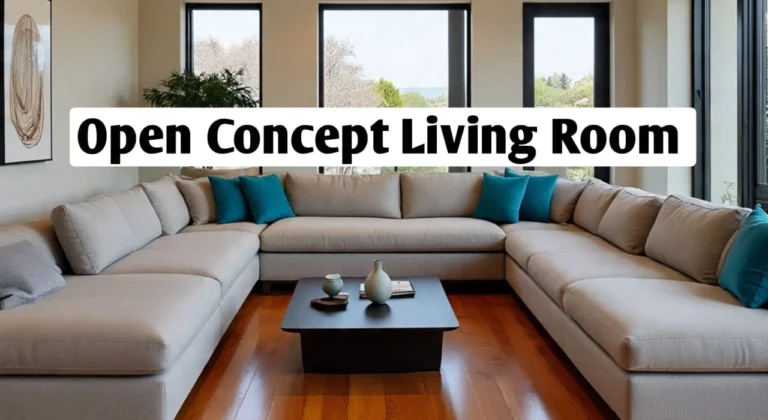
Modern design is an open and connected one. The open-plan living integrates kitchen, dining and lounge spaces with minimal division, which result in fluidity and community. The space is dramatic with the help of such architectural elements as high ceilings, bare beams, or floating staircases that ensure a minimum of clutter. Glass partitions are transparent and do not destroy privacy.
The in-built storage ensures that things are kept in a visual order, removing unwanted furniture. The structural components of the building such as beams, columns, and wall cutouts are made to be aesthetically prominent. It is still about the functionality maximization and the glorification of space and light. The outcome is an expansive, balanced, and easily harmonized design that is known as the best of contemporary architecture.
Technology and Smart Integration
The use of modern technology is well integrated in the modern interiors. The control of the smart home, including automatized blinds, climate control, lighting, and security, will make smart homes more efficient and comfortable. Minimalistic appliances become part of the cabinetry, leaving the appearance of the cabinets clean. The voice recognition and movement sensors also make the experience more modern, blending the design and innovation.
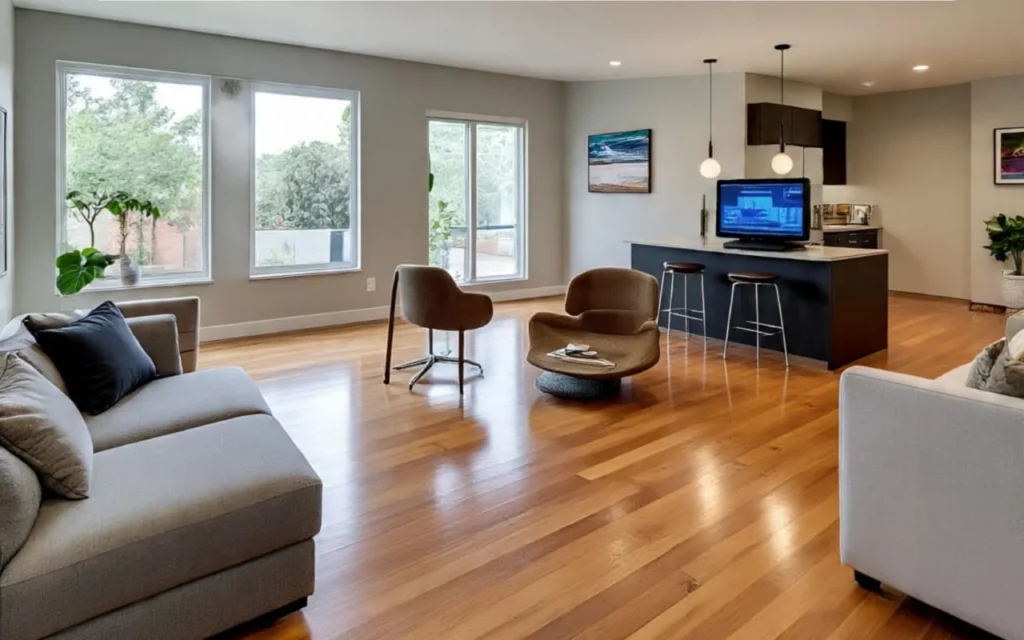
Outlets and wireless charging stations are installed in hidden fittings and designs maintain a smooth look. The entertainment systems are built into the wall or furniture. Technology improves everyday life not in an obtrusive manner but in a refined way, that is, conveniently. Innovation has become an adjunct to design in modern spaces, as complexity is turned into elegant high functioning.
FAQs
Final Thoughts
The modern design is the development of the modernity of life, fluid, thoughtful and eternal. It gives delight in the middle of the innovativeness, minimalism and the warmth and art and purpose. It designs houses that are luxurious and comfortable through its clean lines, open spaces and rich textures. The modern interior embraces the theme of individuality and remains in touch with the world trends of design and sustainability.
Adaptability is what is timeless about this style. It changes as the technology, materials, as well as lifestyle requirements change and still remains classy. Contemporary design survives on equilibrium, be it minimalists or expressive, practical, creative, and serene. It is not only a trend, but it is the language of the modern day that defines the way that beauty and functionality are in tandem with each other nowadays.