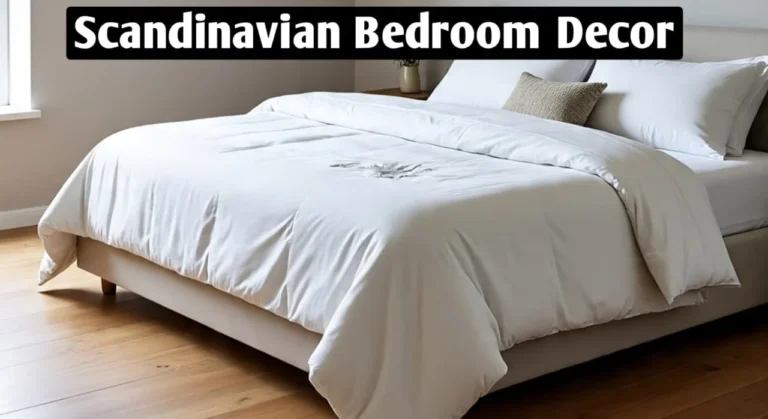
Minimalist Home Decor Ideas
The home decor style of minimalism is based on the value of “less is more.” It glorifies simplicity, utility, and serenity by removing clutter and focusing on what truly matters. In Minimalist Home Decor, the goal is not emptiness but balance, where each object has a purpose or brings genuine joy. Characterized by clean lines, neutral colors, and open spaces, this aesthetic makes any interior feel serene, breathable, and beautifully organized.
This method promotes being aware and conscious of life. A minimalist house is clean, well-orderly and very serene. It is not its starkness but about the harmony of letting the elements of light, space and design to interact harmoniously. Minimalism can be used to achieve a retreat where your eye does not bombard with things when done the right way. It is the creation of a setting that is characterized by clarity, purpose and eternal grace.
Selection of a Palette of Neutral Colors
Color is the focus of the minimalist style of decor, establishing the mood of peaceful harmony. Use a neutral palette as a background, namely, whites, beige, greys, and soft taupes. These colors increase natural lighting and open spaces and make them look open and balanced. When it comes to being sophisticated and adding contrast without overshadowing simplicity, add mild contrast using black, charcoal or soft pastels.
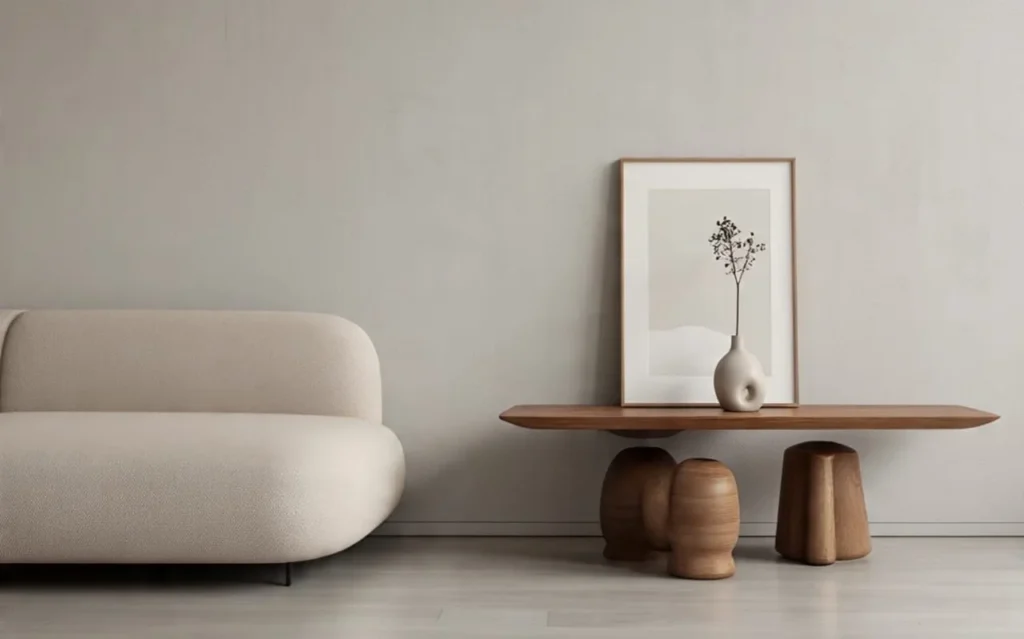
Using different tones in a certain color family does not make the room appear sterile. As an example, combination of warm white walls and light wood furniture or soft grey upholstery. Apply very little accent colour by cushions or paintings in order to produce smooth visual appeal. The colors used must be smoothly going around the house with a harmonious look that gives out a relaxing and classical touch.
Streamlined Furnishing and Design
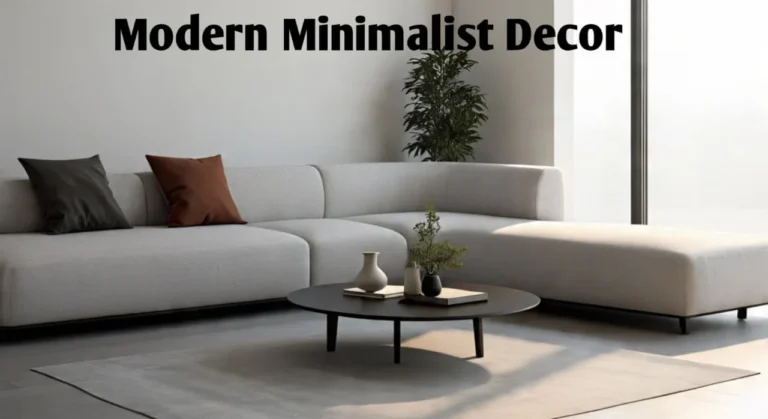
Minimalistic homes should have furniture that is simple, of good quality, and functional. Select furniture that has clean edges, finishes and is comfortable to use. Never have too much ornamentation or heavy figures. Choose smooth sofas, low tables, and smooth storage units that will help to create a visual space and serve their functions efficiently. Formality never surpasses ornamentation.
Space planning is essential – any breathing space around furniture and it underlines openness. Less and properly placed items will be more influential than clutter. Keep to necessities such as a good dining table, comfortable chairs and a comfortable bed. Storage is inbuilt and assists in order. Every item must have a specific purpose and contribute to a minimalist way of life in clutter-free and relaxing living flow.
Cleaning up and Systematization
Minimalist design is based on the concept of decluttering. All the surfaces must be purposeful, not jammed with loads. Retain only things of value sentimental, useful or aesthetic. Begin by throwing away duplicates, putting away that which is not essential, and sorting out what is left in a proper way. Store things in storage boxes, baskets, and drawers so that they are not in sight and appearance is smooth and clean.
Keep the unnecessary furnishing or collections off the table. Focus on exposed shelves with minimal items that are well edited and add to the ambience of the room. Regular arrangement minimizes the stress levels and promotes visual serenity. Decluttering also promotes conscious ownership – enjoying less but better things. Living with a minimalist house is built upon purpose and order creating calmness out of anarchy through deliberate simplicity.
Lighting and Natural Ambience
Minimalist interiors are characterized by lighting. Use natural light as much as possible – uncovered windows, light curtains and glass doors make things open. The diffused sunrays are soft and bring warmth and brightness to the space. In the case of artificial lighting, warm-white lighting such as recessed lighting, pendant lighting, or floor lighting are preferred, and they should not be distracting.
Fancy designs should be avoided and instead embrace smooth fixtures that are not distracting to the environment. Light up the layers to create a balance of light- Spotlights (ambient, task, and accent lighting) add light depth. The mirrors are also placed strategically to increase the amount of natural light and create dimension. Even lighting also contributes to the feeling of open space, the minimalist interiors shine with the sense of calmness and sophisticated style without any effort.
Textures and Materials
Minimalist interior design is based on the richness of the touch but not the visual clutter. Wood, stone, linen, cotton and wool are natural resources that provide volume and coziness. Combine pair matte finishes with warm and soft fabrics. An example of this is the visual interest of a smooth floor with woven rug, and that does not overpower the senses. Minimized textures are comforting and not complex.
Shiny or even embellished surfaces to disturb tranquility should be avoided. Flow The same textures should be used throughout the house. Use contrasting materials on a small scale, i.e. cool against warm metals or soft rugs and stone. These little details make it sophisticated and comfortable to the senses. Minimalist philosophy puts quality over quantity, which is authenticity, durability and timeless tactual beauty.
Artwork and Accent Pieces
Minimalism is not merely the use of simple space in art, but it is meant to be emotional. Select some powerful pieces instead of numerous small pieces. Abstract prints, black and white, or drawings in lines would be an ideal match to the aesthetic. Hang them on the eye level, leave a lot of space on the wall to allow them to breathe. The negative space is included in the visual composition of the artwork.
In the case of accents, to believe it is small, a ceramic vase, sculptural lamp or a single plant can be used to complete the decor. Every product must possess a narrative or a purpose. Worn-out trinkets, or excessive accessorizing surfaces to be avoided. Art of restraint makes one appreciate individual works. A small number of accents add class when selected purposefully adding character and subtle sophistication to the minimalistic decor.
Plant Life and Nature
Plants bring harmony to minimalistic houses without interfering with its balance. Select easy but elegant vegetation such as fiddle leaf figs, snake plants, or cacti. The neutral palettes are balanced with their clean lines and fresh color contrast. Put them sparsely, a statement plant here and there is sufficient to add some vibe to the room.
Add greenery with natural resources such as rattan, bamboo or clay. The texture and warmness are provided with wooden planters or stone vases. Do not put several small plants on corners. Rather, allow each of them to be a focus point that would bridge the interiors and outdoors freshness. The combination of the natural world with the mindfulness experience makes the minimalist aesthetics based on the sense of tranquility and authenticity.
Creating Balance and Flow
Minimalist spaces are spaces that flourish on balance – between nothingness and something, stasis and action. Furniture and decor are put up in a way that encourages movement and openness. There should be no visual discontinuity; the transition between rooms should be done smoothly. Harmonious color gamma and the use of uniform materials promote unity, as does a rhythmic effect caused by the uniform spacing between objects.
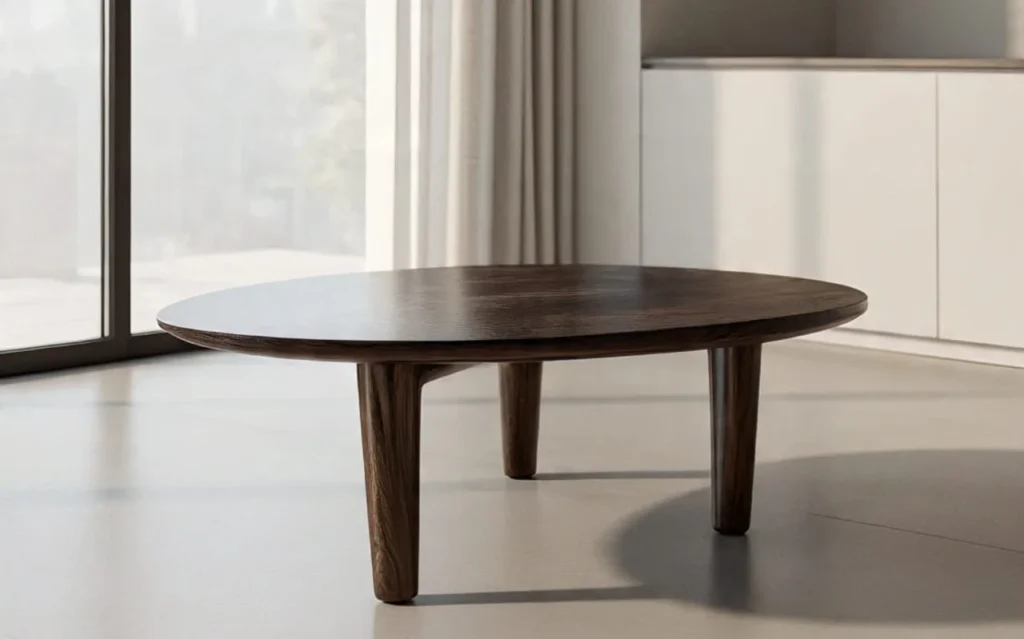
Symmetry is not always the requirement; balance can be created with the help of contrast: a bright work of art on a matte wall or a rough carpet under smooth furniture. It is aimed at harmony, the lack of something competing to be the focus. The simplicity of a home creates a sense of calmness and movement by creating a sense of mental clarity and continuity of the designs.
FAQs
Final Thoughts
Minimalist residential design has a sense of serenity, transparency, and meaningful existence. When you deprive yourself of clutter and concentrate on the most important things, your environment will become a haven of sleep and meditation. Form and functionality are in sync due to the use of clean lines, neutral colors, and purposeful design. What comes out is eternal beauty that is rejuvenating, earthy, and easily elegant.
Living with minimalism means being appreciative of quality and not quantity – to only be surrounded by things that add meaning or pleasure in your life. It is a design philosophy of conscious design that makes life simpler but more comfortable and aware. Once light, balance and simplicity meet, your home will become a serene place that provides calmness and creativity on a daily basis.