Rustic Kitchen Design Ideas
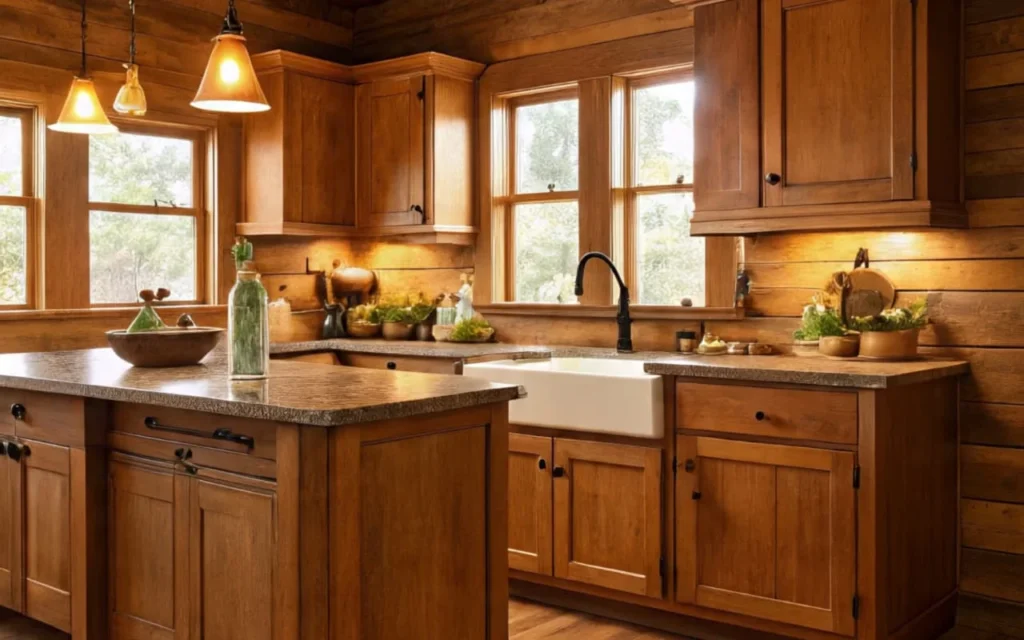
The rustic kitchens are characterized by warm natural wood fittings that provide more charm and character in home decor. Reclaimed or distressed wood cabinets, shelves and countertops make the rooms welcoming. To add texture and depth, there are the elements of wood tones mixed with the stone or brick. The use of natural finish focuses on the artisan part of the work and contributes the kitchen to the appearance of a home used in real life, without being determined by functionality or style.
Simple hardware such as iron handles, or old fashioned knobs should be used in combinating the pair wood accents. Shelves that have open shelves can be used to display cookware or rustic dishware, and retain visual interest. Focal points can be made of wooden beams or a table of farmhouse type. The variety in grains of the wood makes it deep and does not clutter the space. Wood is very warm and this will instantly turn a kitchen into a safe place to be in, where people can meet and eat.
Stone and Brick Elements
The rustic kitchens also provide the earthly touch of stone countertops, backsplashes, and brick walls. The surface of natural stones is not fragile and is also aesthetically pleasing in terms of the contrast with the wooden elements. The brick is also exposed, which gives a cozy but strong impression to the space. The combination of stone and brick forms strata of texture with the touch of organic, ancient beauty, and underlines the handmade atmosphere of the kitchen.
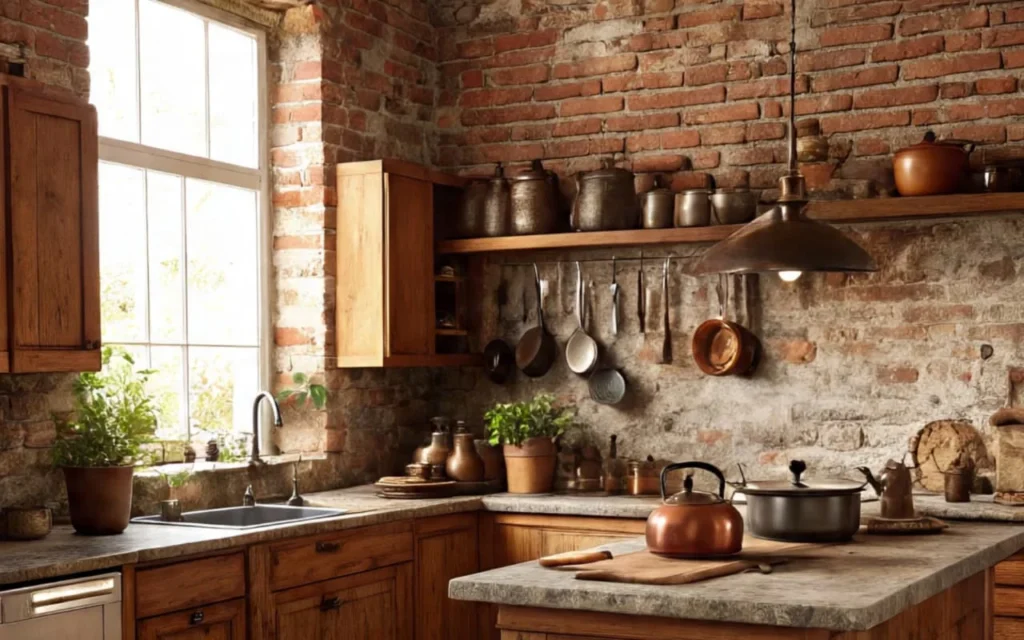
Stone and brick may be uncivilized as they are or they may be polished a bit in order to retain the rustic authenticity. Balance textures using a neutral or earthly palette to avoid the feeling of heaviness of the space. The focus of the design is established by stone islands or brick archways. The imperfections of nature add to the charms and emphasize the conventional approach to things, basing the kitchen on the rustic beauty that is going to stay a decade.
Open Shelving and Display
The functions of the rustic kitchen are highlighted by an essential factor namely open shelves that provide an aesthetic value to the kitchen. Having old dishes, glass jars or rustic cookware in the display gives it some personality yet at the same time keeping the necessities affordable. Keep the room tidy by the arrangement of objects, which are mostly symmetrical and balanced in terms of aesthetics. Open shelves make the space airier, and the traditional farmhouse or country kitchen is enhanced.
Wooden shelves with brackets made of wrought iron can also be of great story and durability. Rustic pottery, wooden bowls and woven baskets are added to create the warm and textured feel. Minimal but functional to ensure that the arrangement has a clean and orderly appearance. The open shelving promotes innovation in arrangement as well as having handmade and natural features that are at the centre of the rustic kitchen design.
Farmhouse-Style Tables
The rustic kitchen design includes a large farmhouse-style table that is practical. Hardwood with the visible grain and the flaws are more authentic. It gives a meeting area where meals and cooking are done as well as family communication. The addition of rustic chairs or mismatched chairs augments the rustic ambiance and makes the seating casual and warm.
Farmhouse tables may be combined with wooden decor lights or metal decor that is not complicated. Fresh herbs, old jars, or a wood fruit bowl are some of the centerpieces that add to the cozy look. The table must be sturdy, functional and natural. The visual presence of the kitchen gives it a center of the composition, which supports the rustic theme without the loss of coziness and practicality.
Rustic Lighting Choices
The lighting in a rustic kitchen must focus on natural surfaces and provide a homey and cozy atmosphere. Floating lights that are wrought irons or metal-finished, as well as wooden, bring a touch of character without elaborating on the atmosphere. Soft and warm light is complimentary to wood, brick, and stone, adding more Earthly themes and textures to the kitchen. The application of layered lighting makes it functional and retains its rustic nature.
Think about suspended lantern-like hanging pendants on the island or the dining table. Under-cabinet or recessed lights can be used to offer effective lighting without taking focus of natural materials. Semi-ancient-bulbs or mellow Edison lights are added to provide those little touches. Rustic lighting in proper proportions is also beautiful and useful, which makes the place warm and inviting to cook, eat, and meet.
Textured Walls and Flooring
Rustic kitchens have an advantage of having textured walls and floors that create depth and character. The kitchen has natural stone tiles, aged wood floors, or brick wall decorations that make it look like it was used by people. Patterned surfaces are also visual and contrasted to less textured surfaces of countertops or cabinets, which gives the touch more appeal.
Flooring and walls should be done in a neutral or earthy tone to unite the space. Warmth is provided by stone or terracotta tiles and comfort and elegance is provided by wooden floors. The blending of the textures does not clutter the room as it is done with a lot of care. Rustic appeal is enhanced by textured walls and floors, and a functional, welcoming environment in the kitchen is supported.
Vintage Designs and Furnishings
The rustic effect is added with the help of vintage decor that makes the kitchen a nostalgic, time-honored space. Include antique jars, antique wooden cutlery, antique signage or rustic pots. The space is given a character and narrative through these accents. Concentrate on utilitarian objects which can serve as decor so as to keep the clutter to minimal levels and possess an intentional, rustic look.
Rustic kitchens enjoy the hand made or worn out materials such as pottery, woven baskets and wooden bowls. Delicate objects of decoration, like an old clock or antique rustic prints on the wall, are not so overwhelming when they are present in the room. The combination of natural textures, wood, stone and lighting in the kitchen with the help of vintage accessories makes the kitchen look natural, warm and welcoming.
Plants and Natural Resources
Plants and natural elements will also be added to make a rustic kitchen complete with the earthly and cozy feel of it. Putting fresh herbs in pots, hanging plants, or miniature indoor plants add color, smell, and life to the area. The natural elements do not conflict with wood, stones, and brick, they complement the connection of the kitchen with nature, and the air quality and environment are enhanced.
Herbs such as basil, rosemary or thyme can be used as decorative and beneficial in cooking. Potted plants of small size may be placed on the sill of a window, on shelves, or on counter tops, to provide a balance between the textures and to soften surfaces which are hard. More rustic materials such as wicker baskets, wooden bowls or stone containers add natural accents and keep things practical and simple, yet effectively produce a living breathing kitchen.
FAQs
Final Thoughts
Rustic kitchen design is concerned with warmth, authenticity and beauty of nature that can integrate the use of wood, stone and vintage without any problem. All the decisions, including lighting and furniture, are part of a homey, classic atmosphere. The mix of textures, earthy colors, and practical decor makes the space practical and appealing to the sight. The rustic kitchen designs promote an atmosphere of gathering, family and informal feeling of ease in day to day living.
Rustic kitchens are not merely cooking areas anymore, by focusing on craftsmanship, material quality and careful design, the kitchens are heartwarming, stylish, and durable. The decoration is done in simple natural finishes, vintage and with greenery which gives the room a cozy feel of being lived in. The outcome is a kitchen that is classy, functional, and immersed in the spirit of rustic appeal, which will fit in any modern or traditional house.