Scandinavian Interior Design
The simplicity, functionalism, and classic beauty define Scandinavian Interior Design. Rooted in Nordic philosophy, this style emphasizes balance, well-being, and light, focusing on comfort and nature-inspired beauty. It combines utility and aesthetics to create spaces that are airy, uncomplicated, and welcoming. Thoughtful home decor choices from furniture to lighting ensure every element serves a purpose while maintaining harmony, peace, and calm throughout the interior.
Fundamentally, Scandinavian design glorifies the Danish notion of hygge – coziness and contentment. It appreciates minimalism without being cold but promotes comfort with the help of natural textures, neutral colors, and soft lighting. Their design is concerned with the creation of relaxed and habitable spaces that are cozy but upscale. Providing a sense of serenity, wholeness, and long-term elegance with a simplicity of restraint, Scandinavian interiors are a charming thing to be around.
Color Palette and Natural Light
The Scandinavian design is based on color, which establishes a space of balance and simplicity. The palette is dominated by neutral colors such as white, beige, soft gray and taupe, as these represent the natural scenery and protracted winters in the area. These colors enhance light hence the interior looks open and calm. When she has the odd pop of subdued pastels, such as dusty pink or pale blue, the contrast does not overpower the balance.
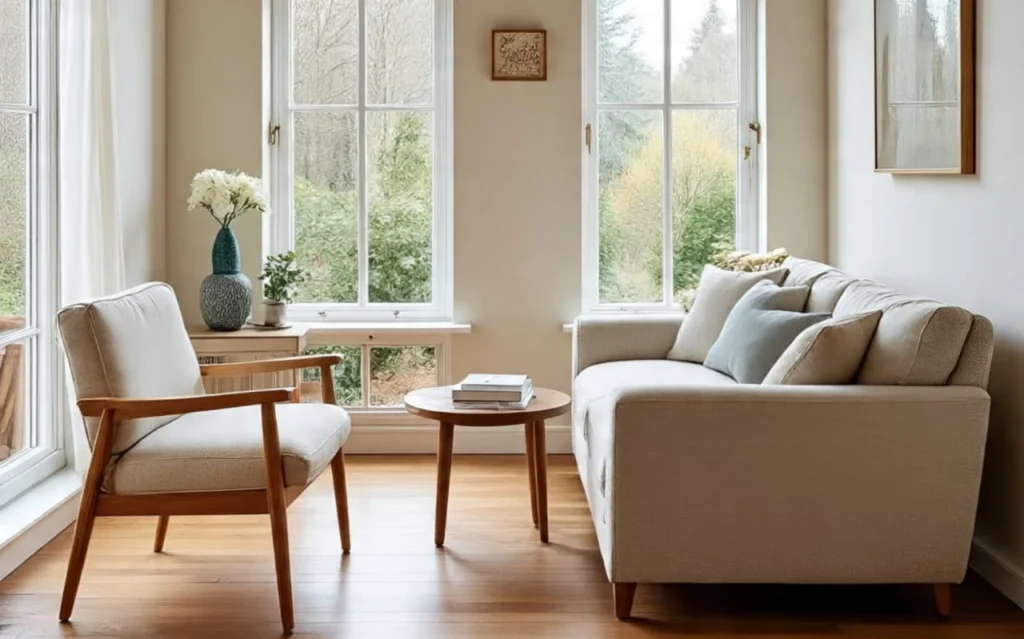
The Scandinavians value natural light in their houses. The room is filled with sunlight using large windows, sheer curtains and reflective surfaces. Mirrors serve to increase brightness and depth, candles and low-key artificial lighting keep the place warm even in the darker times. The subtle colors with the natural light produce the effect that is calm, invigorating, and unproblematically contemporary.
Furniture and Functionality
Scandinavian furniture is everything clean, crafty, and practical. All the pieces are made in a simple and usable manner, combining the form and functionality. It is dominated by light wood finishes such as birch, pine or oak that helps create a feeling of warmth and closeness to nature. Furniture is rather slender legged, smooth and has little adornment to leave a light line flow.
Multi-purpose designs are widespread, folding tables, nesting chairs, and modular sofas do not consume much space but do not lose their comfort. Linen or wool upholstered chairs provide the soft touch, and the natural wood sounds out the cool color scheme. There should be no cluttering of the space but rather furniture should breathe. Scandinavian design is about durability and functionality and each product must have a real and intended purpose in everyday life.
Textures and Materials
Scandinavian interiors have a sense of richness in tactile terms, but are very minimalistic in concept. The hard lines of the architecture are softened by the textures which add comfort and depth to it. Wood, wool, linen, leather, and cotton are natural materials that make one feel warm and natural. Knitted throws, sheepskin carpets and woven cushions provide coziness and balance aesthetic visual simplicity beautifully.
A combination of materials increases sensorial harmony. A metal lighting system with a linen sofa and a wooden table or a wool rug is dynamically comfortable. Stripes, checks, or organic shapes are fine. Keep patterns light without distraction. Scandinavian design is a proponent of the honesty of materials, which places more emphasis on craftsmanship and sustainability rather than on luxury, accomplished through the silent perfection of nature itself.
Lighting and Ambience
The Scandinavian mood is determined by light. The Nordic winters are long and so, careful lighting design is required. Different lights create a balance between functionality and ambiance, dining: pendant lamps, reading: floor lamps, softness: wall sconces. Light responsive warm-white bulbs to create the daylight effect and produce relaxation. Evenings are personalized with candles, lanterns and fairy lights.
A lighting feature is frequently an art object, in smooth lines and natural materials such as brass, wood, or glass. Their placement is done in a strategic manner to prevent shadows and emphasize architecture. Use soft light; strive to have diffused light that is soft glowing. Scandinavian lighting is not only practical – it is emotional, creating a calm glory and gentle warmth in the interior.
Space Planning and Minimalism
Scandinavian interiors are rooted into minimalism. All the spaces are tidied up and focused on space and purpose. There should be minimal furniture instead of wasteful decoration. Rooms must breathe, there must be enough empty room so that one may comfortably move around and relax the mind. Walls and surfaces are kept neutral and minimal with as few decorations as possible, which is in balance and not sparse.
The open plan layouts bring life, living, and dining areas together giving a feeling of unity. Storage is intelligently incorporated with either built-ins or under-furniture storage to save the order. Minimalism in Scandinavia does not imply emptiness, but rather, it implies harmony. Every artwork, wall, accessory is in its place, and it brings peace to the space with its conscious spatial planning and deliberate movement.
Decor and Accessories
Scandinavian home decoration is unobtrusive but intimate. The number of accessories is minimal, though the ones that are present have a meaning. Ceramic vases, framed art or sculptural candles are also a pleasant addition without cluttered shelves. The works of art are usually characterized by natural subjects, abstract lines or black and white photography. Plants and trees Greenery in the form of potted plants or fresh branches brings life and colour without being too unnatural to the organic nature.
Store accessories utilitarian or memento. Pottery, wooden trays, or baskets made of woven cloth are made by hand and are both useful and beautiful. Do not over-decorate, negative space is more effective. Scandinavian style emphasizes the idea of mindfulness with a few, well-selected objects that bring about relaxation and happiness. This simplicity cultivates emotional clarity which turns the commonplace objects to aspects of silent art in the house.
Connection to Nature
Scandinavian design revolves around nature. The natural light and organic materials, and greenery often mingle the distinction between the outdoors and the indoors. There are wooden floors, stone decorations, and plants that represent the beauty of the Nordic landscape. Natural aromas of candles or essential oils enhance the association, and it becomes in tune with the weather and the seasons.
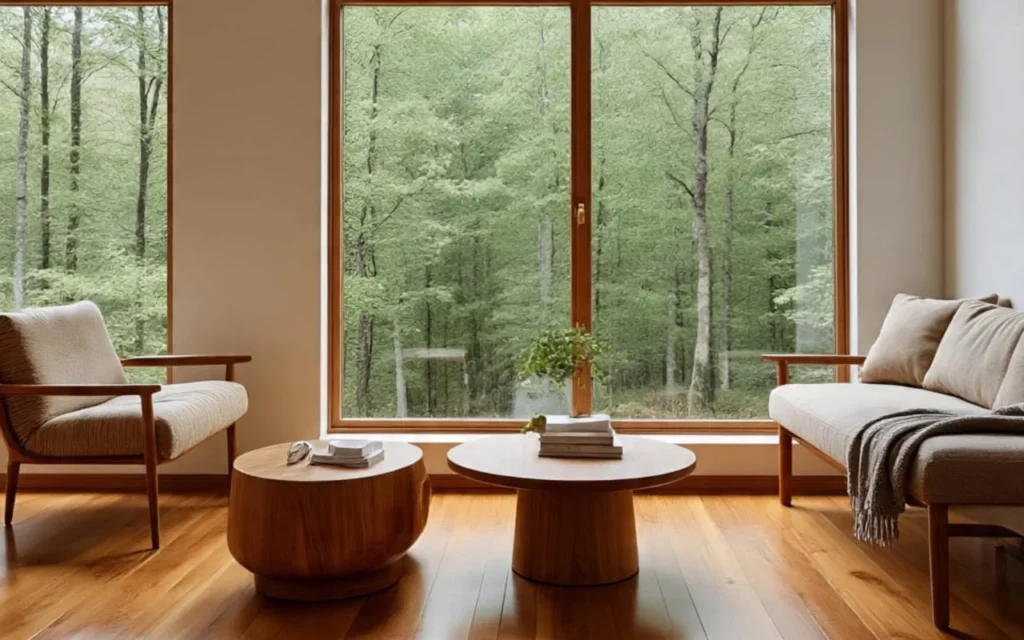
Beautify the home with the natural touch of the materials: linen, wicker, wooden tables with the live edge. Accept the flaws and the roughness, glorify sincerity, not smoothness. There are large windows that are used to outline the exterior fountains that support tranquility and continuity. This biophilic philosophy forms the basis of Scandinavian interiors transforming a home into a serene niche in which the calmness of nature is incorporated into everyday living.
Creating Warmth and Comfort (Hygge)
Hygge is the spirit of the Scandinavian homes, the art of making the home cozy and emotionally warm. This welcoming atmosphere is created with the help of soft lighting, smooth fabrics, and relaxing colors. Include blankets, pillows and candles in all rooms to develop intimacy and coziness. A feeling of warmth, soft music, and individual rituals intensify the sense experience.
Even simple designs can be home-like with the use of texture, smell, and light. Minor objects, a throw that is knitted, a flickering candle, or a favorite book, are soothing. Hygge involves being mindful, thankful and relaxing. Once implemented in all its essence, it turns bare rooms into homely sanctuaries that could be seen to possess an artistic flair as well as an emotional one.
FAQs
Final Thoughts
Scandinavian interior design is simple, comfortable, and in touch with nature. It appreciates functionality, coziness in the minimalist, and tranquility in the light-filled rooms. This type of design is very clear and easygoing with its neutral palette, naturalistic textures, and thoughtful arrangement. Everything, grains of wood and candlelight, and others, is in harmony to make the serene and livable elegance.
Finally, Scandinavian design is not all about its appearance but rather is also emotional. It promotes peace, concentration, and satisfaction in life. In small apartments or open houses, the enduring nature of its charm is based on authenticity. Scandinavian interiors will make us remember that simplicity, comfort and purposeful living are the true elements of beauty.