Traditional Home Decor Style
The classical style in home decor glorifies beauty, balance, and coziness through timeless influences. Inspired by European interiors of the 18th and 19th centuries, this style blends artisanal craftsmanship with a warm, homey feel. These Traditional Home Decor ideas focus on harmony where all furniture, fabrics, and colors work together to create a sense of order, elegance, and lasting beauty.
Contrary to the minimalism of contemporary design, the traditional design welcomes the layers of texture, ornamentation and history. Furniture may be carved of wood Curved lines Furniture may be luxuriously finished. The cohesion is brought about by balanced layouts, patterned fabrics, and coordinated accessories. Classical decor brings back old days and elegance, and houses become friendly but at the same time dignified – an epitome of classic beauty and refined style.
Color Palette and Mood
The classic color scheme is bright, homely and harmonious. The prevailing colors are cream, beige, gold, burgundy, forest green, and navy blue which gives it a warm and royal feeling. These tones are normally accompanied by dulled pastels or ornaments to create harmony between decency and sophistication. A light shadow is used to create depth and low contrast is used to give interest to the image.
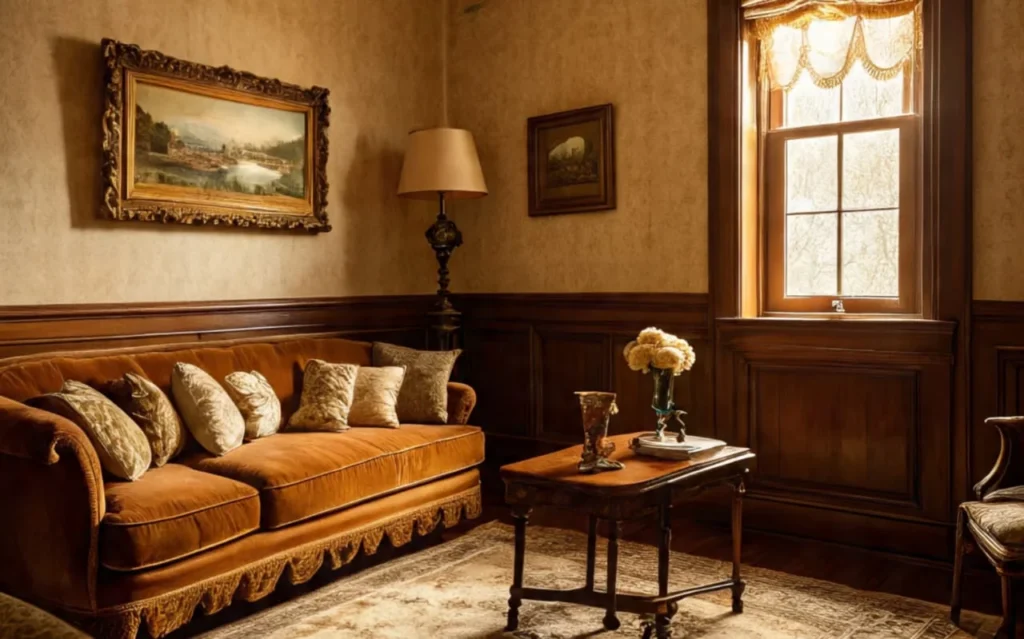
Walls are normally painted light colours or adorned with beautiful wallpapers with damask, floral or striped design. The structure of trim, moldings and ceilings can be contrasting whites or creams. The idea is to attain visual comfortability, a feeling of harmony and tranquility with a steady stream of colors. The conventional homes are calm and cozy, richly furnished and not overwhelming to the senses.
Furniture and Arrangement
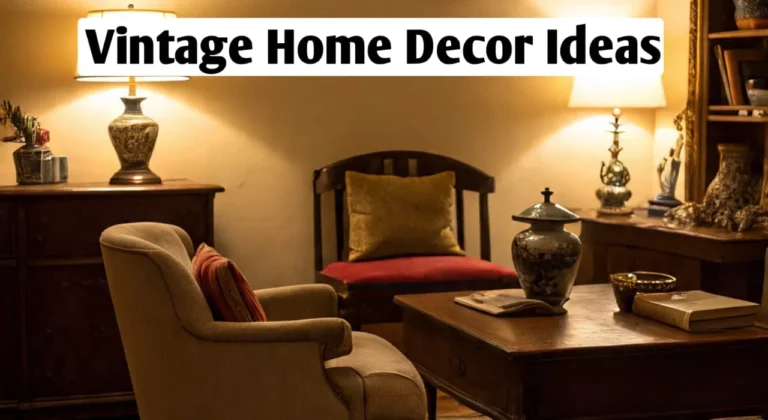
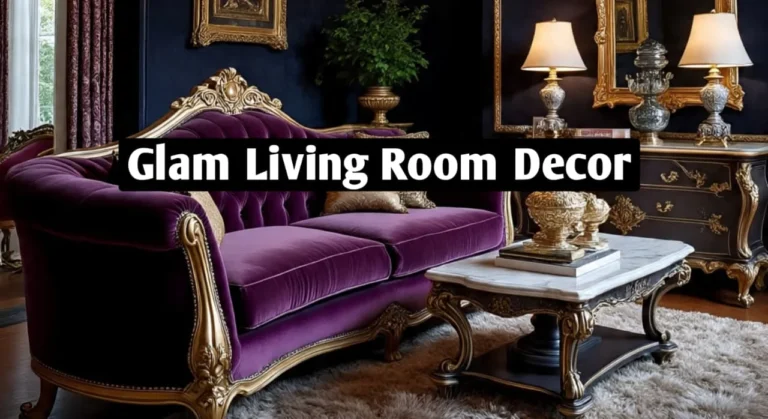
Experience, comfort, and symmetry are demonstrated in traditional furniture. And anticipate proper seating patterns with cushion armchairs, rolled arm sofas and tables of polished wood. Furniture is commonly decorated with exquisite decoration, cabriole legs, and expensive upholstery materials such as velvet, brocade, or damask. Woods that are commonly used include mahogany, cherry, and walnut that are warm and durable.
Traditional interior design depends on layout. Furniture is spaced in such a way to promote conversation and symmetry – paired lamps and chairs, even spacing around focal points such as fire places or windows. The design is indicative of elegance and welcoming. Formalism and elegance intertwine, whereby all sides are purposeful and cozy. Classic furniture design provides structure to the home, beauty and visual flow.
Materials and Finishes
Conventional design emphasizes good materials and polished finishes. Wood is the backdrop, the furniture of a dark stain, paneled walls, deep-grained cabinetry are adding richness. There is a moderate use of marble, granite and brass which help to bring sophistication. Silk, velvet, chenille, and other layered fabrics are used and provide an additional depth and luxurious touch.
The finishes are often oriented on the polished and glassy surfaces reflecting the light in a soft manner. Cushions, rugs and drapery give visual and sensual comfort. And even hardware and trims, brass handles, carved moulds, or gold leaf, add the feeling of heritage. Each material is felt to have a purpose, and it is selected with its artisanship and long-term appeal over one that is current.
Lighting and Ambience
In conventional houses, lighting is used to create a feeling of warmth and intimacy. Fabric-covered chandeliers, sconces and table lamps are common. Crystal, Brass and bronze fixtures are used to provide subtle opulence. Multi-level lights provide a gentle, diffused light – general lights to brighten the room and mood or architectural lights to accentuate the building.
The style is well complemented with natural light. Thick curtains made of expensive materials can sift the daylight and thin sheets keep the rooms light. Candlelight is romantic, Deco style old-world. The blend of luminous lamps and warm colors makes the traditional interiors so classic in their coziness that it balances luxury and the house perfectly.
Flooring and Ceilings
Conventional design leans towards natural materials which wear well. Dark flooring of hardwood oak, cherry or walnut creates a warm and natural effect. Pattern, softness, and depth of color are offered by oriental or Persian rugs. The flooring can be in stone or marble to be fancy in places such as the foyer or dining rooms.
Ceilings may have crown mouldings, coffered, or ornamental plastermould. All these architectural features make it more elegant and interesting to look at. Light tones and soft painted ceilings avoid the weightiness but underline the luxury. The traditional space is framed by the floors and ceilings that not only provide the structure of the space but also create a degree of refinement and classic elegance.
Textiles and Patterns
Textiles dominate traditional decor being a source of comfort and artistry. Upholstery, drapings and bed linen are in classic patterns including florals, stripes, plaids or damasks. Piling clothes would bring depth, silk curtains, velvet cushions, and embroidered throws are the luxurious and dimensional qualities. Patterned-accented neutral bases do not annoy with the harmony of the neutral bases.
Combining textures brings variety and not confusion. Combine silk with nubby linen or the matte velvet with shiny satin. Treatments on the window are done in layers, with sheer curtains under the weighted drapes, which have tassels or cords tied. Patterns and fabrics bring out tradition and warmness to create a balance of lavishness and accessibility to a distinctly timeless appearance.
Wall Treatments and Details
Traditional interiors employ walls as beautiful backgrounds of their art and architecture. Wallpaper, wainscoting and decorative moldings add to sophistication. Such patterns as toile, floral vines, or damask provide visual depth and classical look. A sophisticated look is also attained by having neutral-painted walls with elaborated trim work.
Artwork plays a crucial role. The historical tone is enriched by framed oil paintings, portraits or landscapes. Golden and carved mirror frames help to bring brightness and depth. Crowns, chair rails and baseboards are details that are given attention as a sign of craftsmanship. The ancient wall treatments glorify structure and tradition making walls a classical work of art.
Accessories and Decor
The classical decoration is based on collected accessories that are significant and refined. Old vases, crystal bowls, porcelain figurines and family heirlooms are very pretty displays. There are books, framed photographs and floral arrangements, which give life and warmth. Gilded metals, such as gold, silver or bronze, are used sparingly to provide elegance.
Symmetry is a principle of direction. Balance is supported by paired lamps, candlesticks of matching pairs or tables of mirrors. Much-needed soft touches such as flowered centerpieces and fancy clocks are reminiscent. The ornamentation in vintage homes must not seem rushed in any way. Each work is part of the history of tradition, flavor and silent elegance.
Creating Balance and Comfort
Although the traditional design considers elegance, it also lays emphasis on comfort. Livability is provided by use of soft furniture, layered textiles and balanced lighting. Symmetry is used to create tranquility, and abundant colors create comfort. Traditional houses are made to host parties areas that are formal but friendly, sophisticated yet homely.
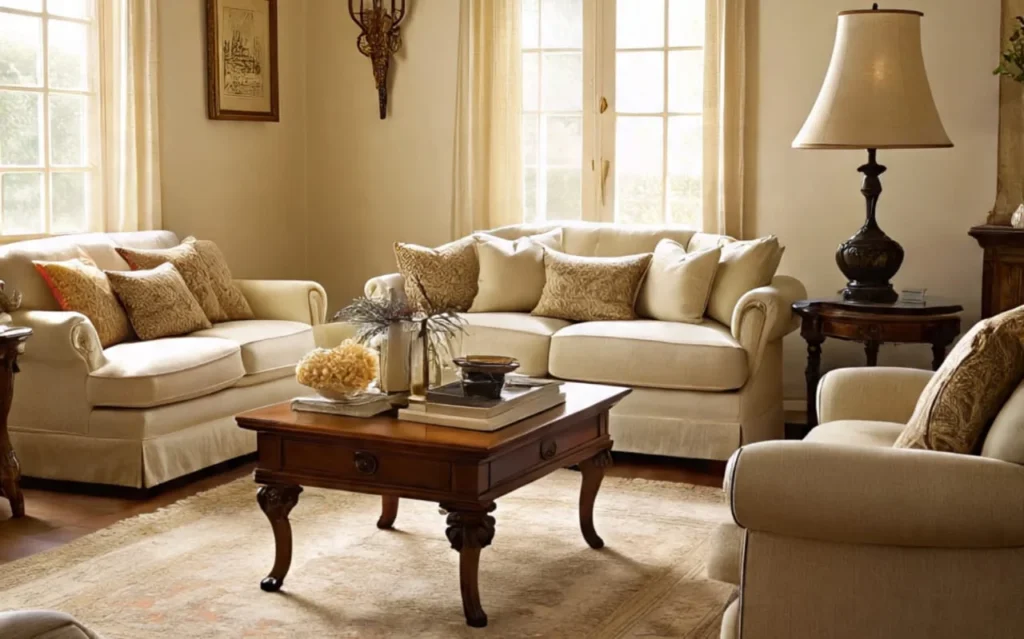
There is contrast to create balance: heavy ornamentation and plain surfaces, dark furniture and light walls, formal items and informal details. It is eternal comfort, a place that is familiar and cozy and has its basis in grace. The traditional design remains cocooned to the fact that it relates beauty to emotional comfort.
FAQs
Final Thoughts
The conventional domicile adornment is an ode to sophistication, comfort, and past. Using high quality materials, symmetrical designs, and classic colors, it makes the spaces warm, friendly and luxurious. Each detail, even the chandelier light and the shape of a chair, brings some sort of harmony and permanence. This type of design is a tribute to the past and it is easily applicable in the present.
Emotional resonance is the key element that makes traditional decor timeless. It welcomes rest and closeness as well as being luxurious. It is based on the art of making, and harmony, a serene escape of contemporary turmoil. A classic house is not just painted, it is a museum collection that is taken to save and live with the legacy of elegance and comfort.